


Olive Trees in Kenya: Benefits, Care & How to Grow Them Successfully
Olive trees are becoming increasingly popular in Kenya due to their beauty, drought tolerance, and economic value. These evergreen trees thrive well in many Kenyan climates, especially in dry and highland regions. Whether grown for landscaping or olive production, they add long-term value to any garden or farm. With proper plant care in Kenya, olive trees can live and produce for decades.

Why Grow This Plant?
- Produces healthy and valuable olives for eating and oil.
- Highly drought-tolerant once established.
- Attractive evergreen foliage for landscaping.
- Long lifespan, making it a valuable investment.
- Suitable for both small farms and home gardens in Kenya.
Cultural & Historical Significance
Olive trees have been cultivated for over 6,000 years, especially in Mediterranean countries like Greece, Italy, and Spain. They symbolize peace, wisdom, and prosperity in many cultures. Olive oil has been used in cooking, medicine, and religious ceremonies across Europe, Asia, and Africa. In Kenya, olive farming is slowly growing as farmers explore drought-resistant crops for commercial and home use.
Ideal Growing Conditions in Kenya
- Sunlight: Full sun, at least 6–8 hours daily.
- Temperature: 15°C to 35°C.
- Soil: Well-draining sandy or loamy soil.
- Watering: Moderate during establishment, low once mature.
- Best Regions: Rift Valley, Central Kenya, Eastern Kenya, and semi-arid areas.
How to Plant It
- Choose a sunny location with good drainage.
- Dig a hole twice the width of the root ball.
- Place the olive seedling upright in the hole.
- Fill the hole with soil and press gently.
- Water deeply and mulch around the base.
Care Tips
- Water young trees weekly until established.
- Prune annually to improve shape and air circulation.
- Apply compost or organic fertilizer twice a year.
- Protect from frost in colder highland areas.
Pests & Diseases
- Olive fruit fly: Causes damaged fruits; use organic traps.
- Scale insects: Appear as brown bumps; treat with neem oil.
- Root rot: Prevent by avoiding overwatering.
Pet Safety
Olive trees are generally non-toxic to cats and dogs, making them safe for Kenyan homes and gardens.
Growing in Containers
Young olive trees can be grown in large pots on balconies or patios. Ensure the container has good drainage and enough space for root growth. Repot as the tree grows.
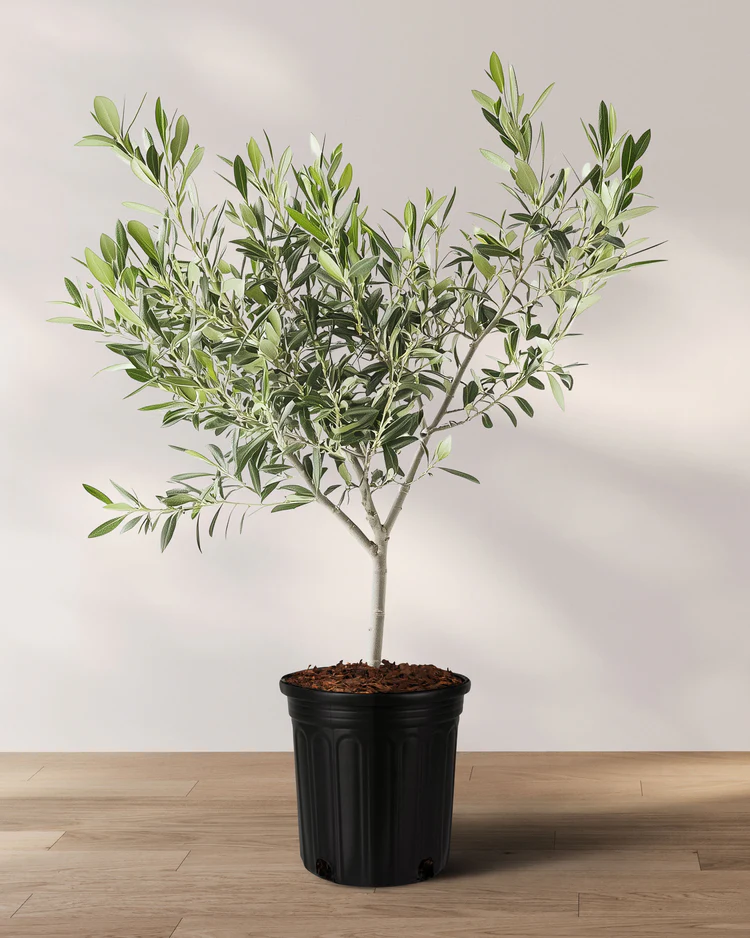
Where to Buy This Plant in Kenya
You can buy olive trees in Kenya from https://planters.co.ke, the go-to source for quality trees, indoor plants Kenya, and expert plant care in Kenya.
Final Thoughts
Olive trees are a smart choice for Kenyan gardeners looking for a hardy, productive, and beautiful plant. With proper care and the right conditions, they can provide shade, fruit, and income for many years. Whether for farming or landscaping, olive trees are a valuable addition to Kenya’s green spaces.