


Rubber Plant in Kenya: Benefits, Care & Indoor Styling Guide
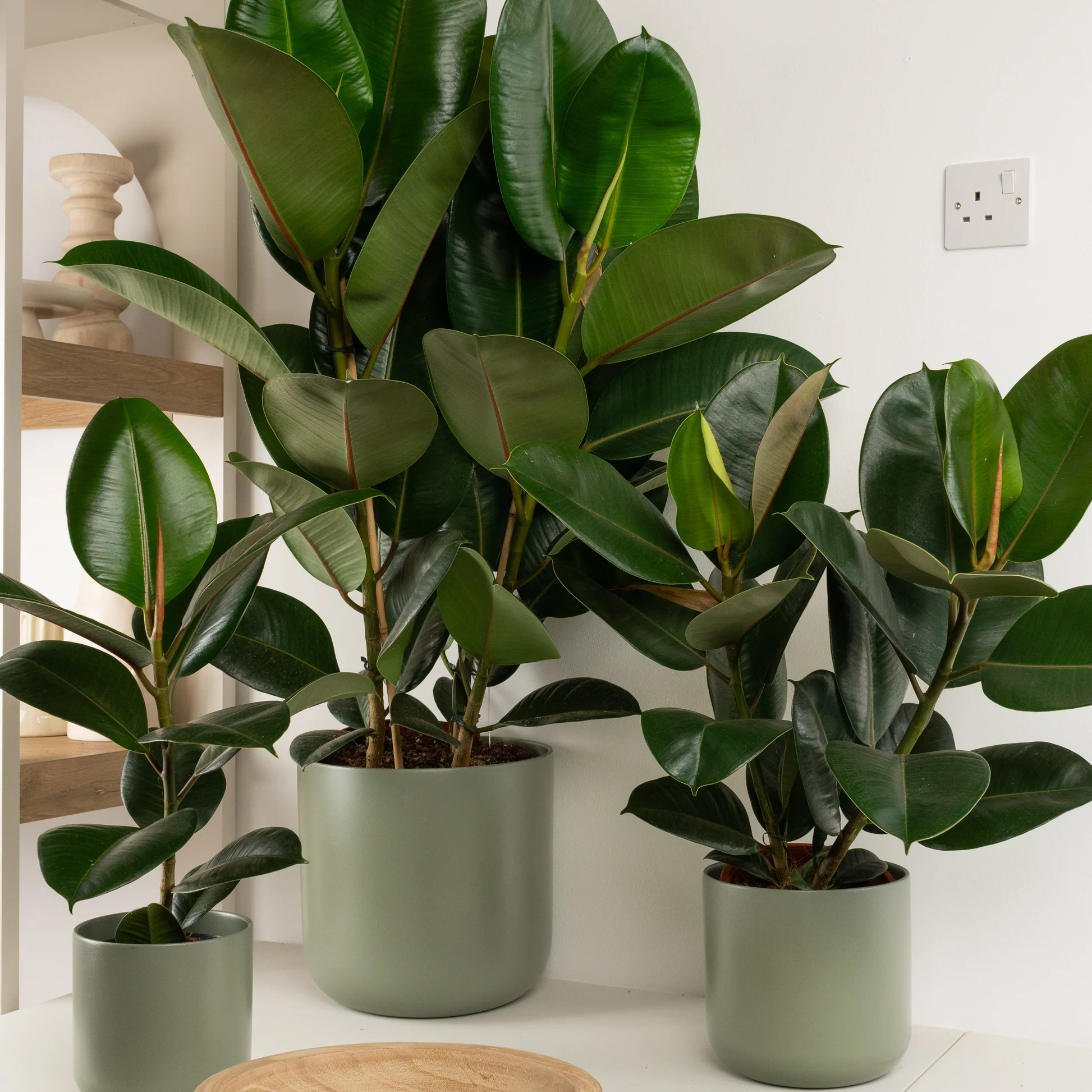
The Rubber Plant, scientifically known as Ficus elastica, is one of the most popular indoor plants in Kenya due to its large, glossy leaves and strong air-purifying qualities. It is commonly found in Kenyan homes, offices, hotels, and malls because it adds a bold, modern look to any interior. This tropical plant is also very adaptable to indoor conditions, making it perfect for beginners and plant lovers alike. With proper plant care in Kenya, the rubber plant grows into a beautiful statement piece.
Why Grow This Plant?
- Improves indoor air quality by removing toxins.
- Large glossy leaves add luxury and elegance.
- Easy to grow and maintain.
- Thrives well in Kenyan indoor environments.
- Excellent choice for indoor plants Kenya collections.
Cultural & Historical Significance
The Rubber Plant is native to South and Southeast Asia, where it was traditionally used for producing natural rubber. In India, it is considered a sacred plant and is often grown around homes for positive energy. In European interior design, it is valued for its bold architectural shape. In Kenya today, the rubber plant has become a symbol of modern living, clean air, and stylish indoor greenery.
Ideal Growing Conditions in Kenya
- Sunlight: Bright, indirect light.
- Temperature: 18°C to 30°C.
- Soil: Well-draining, nutrient-rich soil.
- Watering: Water when the topsoil is dry.
- Best Regions: Nairobi, Mombasa, Kisumu, Nakuru, and indoor spaces nationwide.
How to Plant It
- Select a pot with drainage holes.
- Fill it with well-draining potting mix.
- Remove the rubber plant from the nursery bag.
- Place it in the pot and add soil around the roots.
- Water lightly and place in indirect sunlight.
Care Tips
- Do not overwater to prevent root rot.
- Wipe leaves regularly to remove dust.
- Fertilize every 4–6 weeks during growth season.
- Rotate the plant for balanced growth.
Pests & Diseases
- Spider mites: Fine webbing under leaves; increase humidity.
- Mealybugs: White cottony spots; treat with neem oil.
- Root rot: Caused by excess watering; improve drainage.
Pet Safety
The Rubber Plant is toxic to cats and dogs if ingested, so it should be placed out of reach in Kenyan households with pets.
Growing in Containers
This plant thrives in pots, making it ideal for living rooms, balconies, and office spaces. Choose a sturdy container that can support its height and always ensure proper drainage.
Where to Buy This Plant in Kenya
You can buy Rubber Plant Kenya from https://planters.co.ke, your trusted supplier for quality indoor plants Kenya and stylish planters.
Final Thoughts
The Rubber Plant is a perfect blend of beauty and function, making it one of the best indoor plants for Kenyan homes. Its bold leaves, air-purifying ability, and easy care make it ideal for both beginners and experienced plant lovers. With simple plant care in Kenya, this plant will grow into a stunning green centerpiece.