


Cymbidium Orchids: Elegant Blooms for Home & Garden
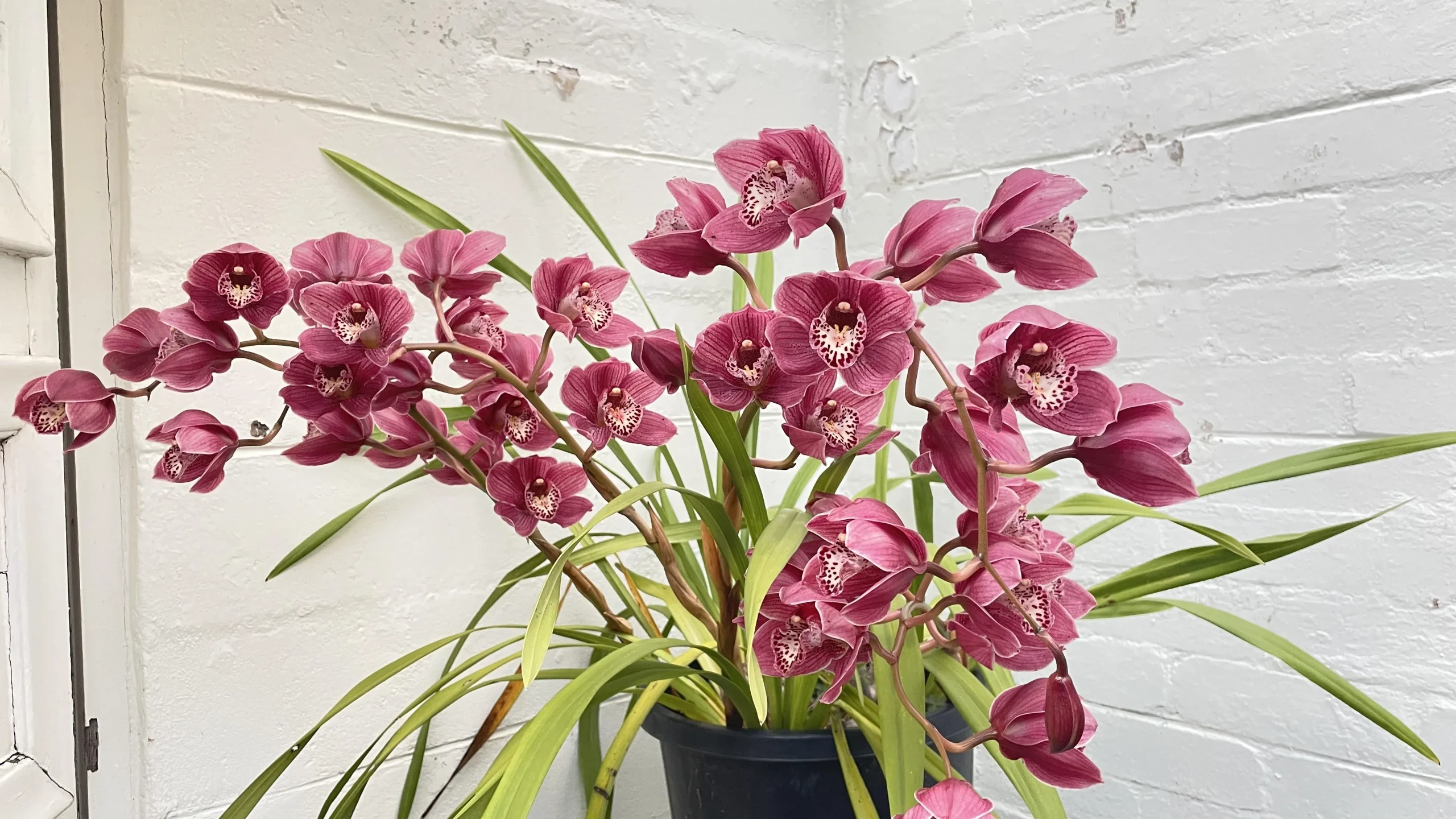
Cymbidiums are among the most admired orchids worldwide, known for their elegant arching flower spikes and long-lasting waxy blooms. These orchids are more tolerant of cooler temperatures than many other varieties, making them well-suited to several Kenyan climates, especially highland regions such as Nairobi, Limuru, Kiambu, Nakuru, and Nyeri. Their flowers come in a stunning range of colors, adding sophistication to homes, patios, and landscaped gardens.
Why Grow This Plant?
- Produces long-lasting blooms that can remain vibrant for weeks to months.
- Ideal for decorative interior styling, weddings, hotel lobbies, and balconies.
- Relatively hardy compared to more delicate orchid varieties.
- Air-purifying qualities contribute to calmer indoor environments.
- Thrives in Kenyan highland and temperate environments with minimal fuss.
Cultural & Historical Significance
Cymbidiums have been cultivated in China for over 2,000 years, where they symbolize virtue, friendship, and refined beauty. They are celebrated in traditional Chinese art and poetry. In Japan, they were associated with nobility and Samurai culture due to their graceful structure and resilience. Across Europe and America, Cymbidiums became luxury houseplants, prized in floral design and high-end décor. Today, they remain a plant of elegance and admiration globally.
Ideal Growing Conditions in Kenya
- Sunlight: Bright, filtered light; avoid harsh midday sun.
- Temperature: Prefers cooler to mild climates; ideal for Nairobi, Nyeri, Eldoret, Nakuru, Tigoni, Kericho.
- Humidity: Medium humidity; lightly mist in dry seasons.
- Soil: Use orchid bark mix (bark + perlite + charcoal).
- Watering: Water when the medium dries slightly; avoid soggy conditions.

How to Plant It
- Select a pot with multiple drainage holes.
- Fill with a coarse orchid substrate mix.
- Place the cymbidium so pseudobulbs sit just above the soil surface.
- Firm the medium gently around the roots, keeping airflow intact.
- Water lightly and place in bright, indirect light.
Care Tips
- Fertilize monthly with a diluted orchid fertilizer during active growth.
- Provide good airflow around the leaves to prevent fungal issues.
- Repot every 2–3 years after flowering to refresh the medium.
- Cut spent flower spikes at the base to encourage new blooms.
- Move to a slightly cooler area at night to trigger flower spikes during blooming season.
Pests & Diseases
- Mealybugs & Scale: Treat with neem oil or a soapy water wipe-down.
- Leaf Spot: Avoid water sitting on leaves; improve air circulation.
- Root Rot: Result of overwatering—ensure proper drainage.
Pet Safety
Cymbidium orchids are non-toxic to cats, dogs, and humans, making them safe in homes with pets.
Growing in Containers
Cymbidiums grow especially well in pots, making them perfect for patios, balconies, and indoor display spaces. Choose a stable, medium-to-large container to support their tall flower spikes. Avoid deep watering; instead, keep the medium lightly moist and airy.
Where to Buy This Plant in Kenya
Find healthy Cymbidium Orchids and decorative planters at:
https://plantify.co.ke
Final Thoughts
Cymbidium orchids bring timeless elegance, color, and sophistication into Kenyan homes and gardens. Their resilience, long-lasting blooms, and stylish appearance make them a rewarding choice for both beginner and experienced plant lovers. With the right light and gentle care, you’ll enjoy their stunning display year after year.